The Ancient Art of Building Kashmir Houseboats
Dal Lake's iconic houseboats are far more than floating hotels — they're masterpieces of traditional Kashmiri craftsmanship representing 150+ years of accumulated knowledge, skill, and artistry. Building an authentic Kashmir houseboat requires months of labor by master craftsmen, rare materials sourced from Kashmir's forests and quarries, and techniques passed down through generations. This comprehensive guide reveals exactly how Dal Lake houseboats are made, from foundation to final carved details.
Quick Answer
A Dal Lake houseboat takes 12-18 months to build across 6 stages: a deodar wood hull, structural framework, hand-carved walnut interiors (the most labor-intensive stage at 4-6 months), Kashmiri papier-mâché art, furnishings, and mooring. Total investment ranges ₹80 lakh-₹2 crore ($100K-$250K+), involving 20-40 skilled artisans. Built well, a hull lasts 60-100+ years.
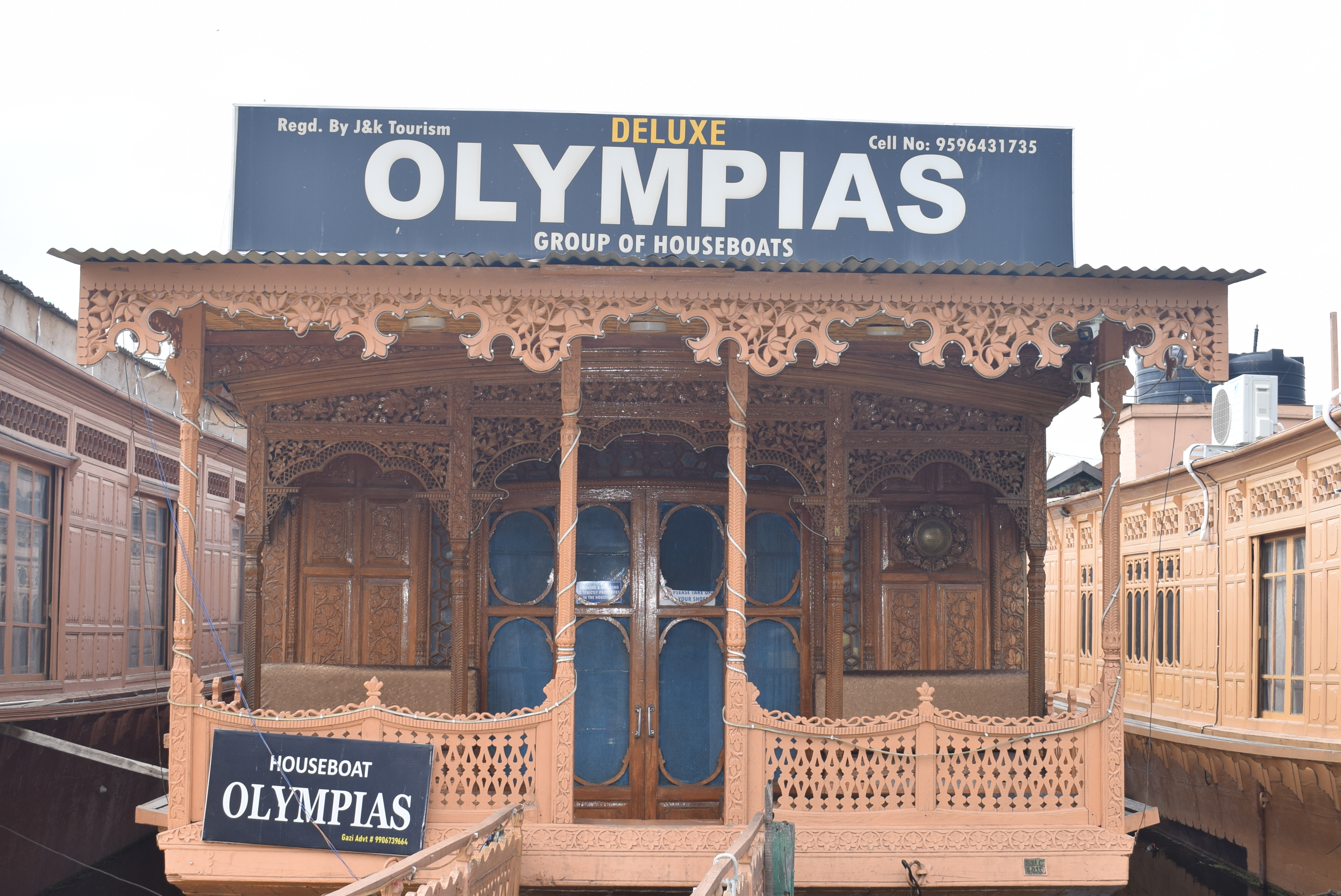
Master Craftsmanship - Hand-Carved Interiors at Olympias Athena
Historical Origins: Why Houseboats Exist on Dal Lake
To understand how houseboats are made, we must first understand why they exist. In the late 1800s, British colonial officers stationed in India discovered Kashmir's breathtaking beauty and cool summer climate — a perfect escape from scorching mainland heat. However, the Maharaja of Kashmir prohibited foreigners from purchasing land in the Kashmir Valley to protect local interests.
Enterprising British officers found a loophole: build floating homes on Dal Lake's waters. Technically, they weren't purchasing land — just occupying water space with mobile structures. They commissioned local Kashmiri boat builders to create elaborate floating residences combining British colonial architecture with traditional Kashmiri woodworking artistry.
These early houseboats proved so comfortable and luxurious that word spread. By the early 1900s, Kashmir houseboats became famous worldwide, attracting royalty, celebrities, and wealthy travelers. The houseboat industry was born, and with it, a unique architectural tradition blending British design sensibilities with centuries-old Kashmiri craftsmanship.
Step-by-Step: How Traditional Houseboats Are Constructed
Stage 1: The Foundation Hull (3-4 Months)
Materials: Deodar wood (Himalayan cedar) forms the houseboat's structural foundation. Deodar's natural resistance to water damage, rot, and insects makes it ideal for waterborne structures. Each houseboat requires 40-60 large deodar logs sourced from Kashmir's mountain forests under strict forestry regulations.
Construction: Master boat builders begin by creating the hull — the floating base. Thick deodar planks (6-8 inches) are carefully cut, shaped, and fitted together using traditional joinery techniques. Modern houseboats supplement traditional methods with marine-grade adhesives and waterproof sealants, but the fundamental joinery remains hand-crafted.
The hull must be perfectly balanced for stability. Builders account for weight distribution, future furniture placement, and passenger capacity. Multiple layers of waterproofing — traditional pitch, modern polymers, and protective coatings — ensure the hull remains watertight for decades.
💡 Interesting Fact:
A properly built houseboat hull can last 80-100+ years with regular maintenance. Some houseboats operating on Dal Lake today sit on hulls constructed in the 1940s-1950s, testament to traditional building quality.
Stage 2: Structural Framework (2-3 Months)
Once the hull completes, carpenters construct the houseboat's skeletal framework:
- Floor Joists: Strong wooden beams span the hull's width, supporting floor weight
- Wall Frames: Vertical posts create room divisions and exterior walls
- Roof Trusses: Angled beams form the distinctive pitched roofline seen on all Kashmir houseboats
- Support Columns: Load-bearing pillars inside rooms support the structure
All framework uses deodar or pine wood selected for strength and minimal warping. Traditional pegged joinery — where wooden pegs join beams rather than metal nails/screws — creates flexible joints that accommodate the houseboat's gentle movement on water without creating stress cracks. Modern houseboats supplement traditional joinery with metal fasteners for critical structural connections.
Stage 3: Walnut Wood Interiors (4-6 Months)
This stage transforms a wooden shell into a work of art — and what makes Kashmir houseboats world-famous:
Walnut Wood Selection: Kashmir walnut (Juglans regia) is prized for its rich dark color, beautiful grain patterns, and exceptional carving properties. For a luxury houseboat like Olympias Athena, builders source premium-grade walnut from Kashmir's walnut-producing regions (Shopian, Anantnag, Kulgam).
Master Carvers at Work: Specialized wood carvers — often from families practicing this craft for generations — spend months hand-carving intricate designs:
- Wall Panels: Floral patterns (roses, lotus, chinar leaves), geometric Islamic patterns, and intricate borders
- Ceiling Panels: Often feature elaborate designs with multiple layers and depths
- Door Frames: Ornate carvings frame every doorway
- Windows: Carved wooden screens (jali work) and decorative surrounds
- Furniture: Beds, wardrobes, and chairs featuring matching carved motifs
A single wall panel can require 40-60 hours of carving work. Larger houseboats with 8-10 rooms need hundreds of carved panels — representing thousands of hours of skilled artisan labor.
🎨 Olympias Athena's Craftsmanship:
Our houseboats feature master-level carving work that guests frequently compare to museum-quality pieces. Every panel was created by award-winning craftsmen from Kashmir's most respected woodworking families. This level of artistry is what distinguishes luxury houseboats from budget options using simple molded panels or minimal carving.
Stage 4: Papier-Mâché Artistry (2-3 Months)
Papier-mâché (kar-i-kalamdaan in Kashmiri) is Kashmir's 500-year-old traditional art form. For houseboats, papier-mâché artists create:
- Ceiling Decorations: Colorful floral and geometric patterns painted on papier-mâché panels attached to wooden ceilings
- Wall Panels: Decorative papier-mâché sections between carved wood panels
- Decorative Items: Lampshades, boxes, and accessories
Traditional Process:
- Base created from paper pulp mixed with adhesive, molded into desired shapes
- After drying, surfaces sanded smooth
- Multiple layers of primer applied
- Master painters hand-paint intricate designs using traditional patterns
- Several layers of protective varnish seal and preserve the artwork
Authentic papier-mâché uses natural pigments and traditional painting techniques unchanged for centuries. The result: vibrant, long-lasting artwork that defines Kashmiri aesthetic.
Stage 5: Carpets, Furnishings & Final Details (1-2 Months)
Final stages involve outfitting the houseboat for guest comfort:
- Floor Covering: Hand-woven Kashmiri or Persian carpets throughout
- Furniture: Custom-built carved wood pieces or carefully selected antiques
- Modern Amenities: Plumbing, electrical systems, bathrooms, kitchens
- Windows & Doors: Glass installation, hardware fitting
- Exterior Painting: Traditional colors and protective coatings
- Sundeck: Outdoor seating area with railings and shade structures
Stage 6: Mooring & Finishing (1 Month)
Completed houseboats are carefully moved to their permanent locations. At premium spots like Boulevard Road, securing good mooring positions requires negotiations with lake authorities and existing houseboat owners. Heavy anchors (often large stones) secured to the lakebed with chains hold houseboats in position. Gangways connect houseboats to shore or pontoons for guest access.
Total Construction Timeline & Investment
Building a Premium Houseboat:
Total Time: 12-18 months from foundation to guest-ready
Total Cost: ₹80 lakhs - ₹2 crores+ ($100,000 - $250,000+) depending on size and craftsmanship level
Artisans Involved: 20-40 skilled craftsmen across multiple specialties
Lifespan: 60-100+ years with proper maintenance
This substantial investment explains why genuine luxury houseboats like Olympias Athena command premium rates — they represent massive upfront capital, years of specialized labor, and rare materials. Budget houseboats cutting construction costs inevitably compromise on craftsmanship quality, materials, or both.
Ongoing Maintenance: Preserving the Heritage
Building a houseboat is just the beginning. Maintaining these wooden structures on water requires constant vigilance:
- Annual Hull Inspection: Checking for water damage, rot, or structural issues
- Waterproofing: Re-applying protective coatings every 2-3 years
- Wood Preservation: Treating carved interiors to prevent insect damage
- Papier-Mâché Care: Careful cleaning and occasional touch-ups
- Plumbing/Electrical: Regular maintenance of modern systems
- Carpet Cleaning: Professional cleaning of all floor coverings
Well-maintained houseboats retain their beauty and functionality for generations. Olympias Athena undergoes rigorous maintenance schedules ensuring guests always experience pristine conditions.
Frequently Asked Questions About Houseboat Construction
How long does it take to build a Dal Lake houseboat?
A premium Kashmir houseboat takes 12-18 months to build from foundation to guest-ready, involving 20-40 skilled craftsmen across carpentry, carving, and papier-mâché specialties.
What wood is used to build Kashmir houseboats?
Deodar wood (Himalayan cedar) forms the water-resistant hull and structural framework, while Kashmir walnut wood (Juglans regia) is used for hand-carved interior panels, doors, and furniture.
How much does it cost to build a Kashmir houseboat?
Building a premium Dal Lake houseboat costs approximately ₹80 lakhs to ₹2 crore or more ($100,000-$250,000+), depending on size and the level of hand-carved craftsmanship involved.
How long do Dal Lake houseboats last?
With proper maintenance, a well-built houseboat hull can last 60-100+ years. Some houseboats on Dal Lake today still sit on hulls built in the 1940s-1950s.
What is Kashmiri papier-mâché used for on houseboats?
Papier-mâché (kar-i-kalamdaan) is a 500-year-old Kashmiri art form used to hand-paint ceiling decorations, wall panels, and decorative accessories on houseboats using natural pigments.
Continue Exploring Kashmir Houseboats
Now that you know how a houseboat is made, see the craftsmanship in person: read our full guide to houseboats in Kashmir, learn about Dal Lake itself, compare options in our best houseboats in Srinagar Dal Lake comparison, or explore Athena Houseboat, one of our two hand-carved vessels at Boulevard Road, Ghat No. 13.
Experience Authentic Kashmiri Craftsmanship
When you stay at Olympias Athena, you're not just booking accommodation — you're experiencing living art created by master craftsmen using centuries-old techniques. Every carved panel, every painted ceiling, every wooden detail represents hours of skilled human labor and cultural heritage.